
WWE
John Cena You Can’t See Me: Why 4 Words Became His Signature
If you have ever seen a photo of John Cena and watched the comments insist that there is nobody in the picture, you already know how far You Can’t See Me traveled.
John Cena You Can’t See Me: Why 4 Words Became His Signature
The strange part is that the original phrase was never really about being invisible.
For Cena, it was competitive trash talk: you are not on my level. A joke with his younger brother turned that idea into the hand wave, the hand wave became part of his WWE identity, and the internet eventually rewrote the whole thing into one of wrestling’s longest-running memes.
That journey explains why You Can’t See Me still feels unmistakably like John Cena more than two decades later.
1. It Started as a Family Dare, Not a Marketing Meeting
One reason You Can’t See Me feels so specifically Cena is that nobody appears to have sat in a conference room and designed it for him.
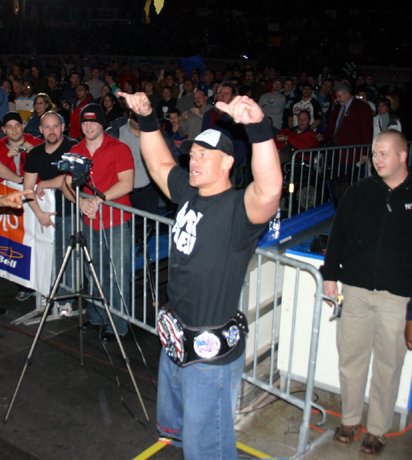
Cena said the gesture began while he and his younger brother Sean were listening to beats for his upcoming album. Sean copied a dance move that involved moving his head around his hand. Cena thought it looked ridiculous and said he would do it on television.
His brother dared him.
Cena accepted.
Because moving his head around his hand would be difficult for a television audience to read, Cena reversed the motion: he kept his head relatively still and waved his hand in front of his face. He tried it on WWE’s Velocity, and a signature gesture was born from what had essentially been a joke between brothers.
That origin matters because it explains why the gesture never feels like a generic wrestling pose.
It belonged to Cena before millions of people attached meaning to it.
And there is a useful style lesson in that.
You do not become recognizable simply by adding more things to your identity. Sometimes one odd detail that is unmistakably yours does more work than ten carefully chosen ones.
For Cena, it was one open hand moving across his face.
Photo: Trevor Botting /
Wikimedia Commons,
CC BY-SA 2.0.
2. “You Can’t See Me” Really Meant “You’re Not on My Level”
This is the part that gets lost once you know the meme before you know the wrestler.
Cena explicitly explained the phrase during a WWE interview. In trash-talk terms, You Can’t See Me meant that the other person was not on his competitive level.
WWE later quoted Cena explaining it in similar terms: the phrase can play with camouflage or invisibility, but its broader meaning is that he is operating on another level.
So when Cena put his hand in front of his face, the original message was not:
I have disappeared.
It was closer to:
You cannot hang with me.
That distinction changes the personality of the phrase.
Never Give Up represents persistence.
Hustle, Loyalty, Respect represents a standard.
You Can’t See Me represents competitive self-belief.
If this is the Cena phrase you connect with most, that is probably the side of the character you are choosing: not simply enduring difficulty, but walking into competition believing you belong at a higher level.
Of course, saying you are on another level does not make it true.
That is the tension that keeps the phrase from becoming useful only as empty confidence.
You still have to back it up.
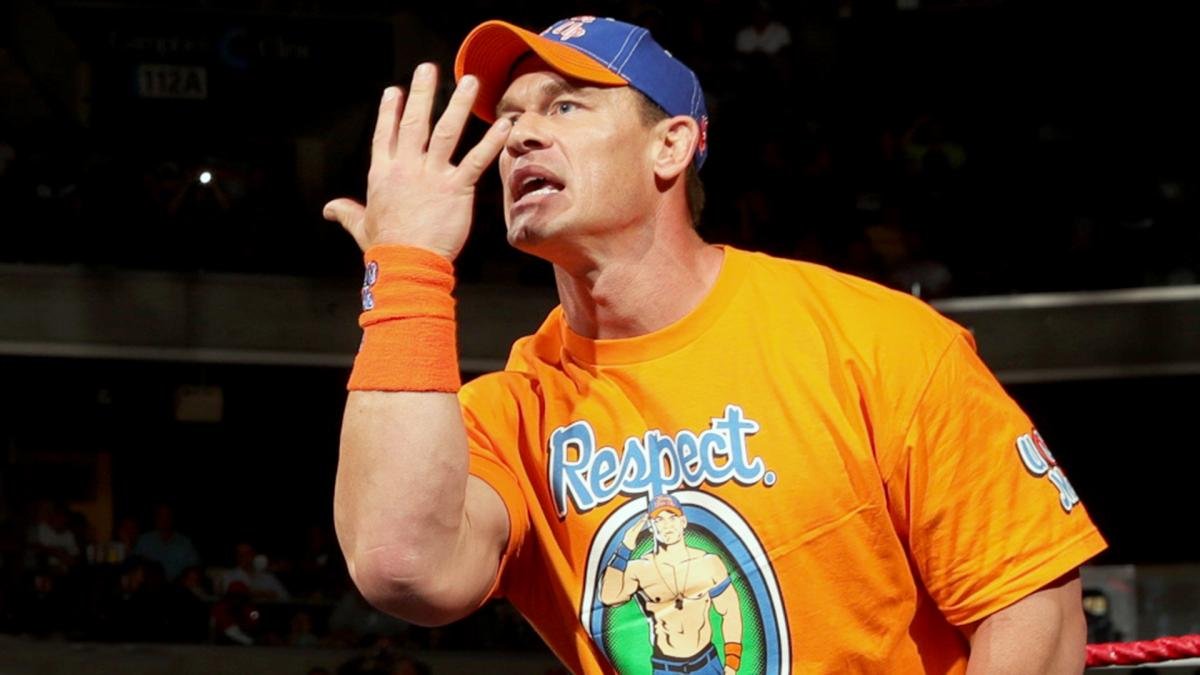
Image:
WWE.
3. The Hand Gesture Let Cena Say It Without Saying Anything
Imagine removing the words JOHN CENA from a graphic.
Could another wrestling fan still recognize who it represents?
With You Can’t See Me, the answer can be yes.
The open-hand gesture became closely associated with Cena and was incorporated into his in-ring routine, including around the Five Knuckle Shuffle. WWE describes the phrase and gesture as having developed together into a Cenation rallying cry.
That is what makes the gesture stronger than an ordinary catchphrase.
You can hear:
You Can’t See Me.
You can read:
You Can’t See Me.
Or somebody can simply move an open hand in front of their face.
And the reference can still work.
A U.S. Army photograph from WWE’s 2005 Tribute to the Troops captures Cena performing the gesture on Chris Masters. Even frozen in a single frame, the motion is recognizable enough to communicate the reference.
That matters when you are choosing Cena fanwear too.
A strong wrestling graphic should not always need a paragraph of explanation. If You Can’t See Me is the Cena identity you care about, the hand gesture or phrase itself can do more for you than a generic portrait with his name underneath.
Recognition is part of the appeal.
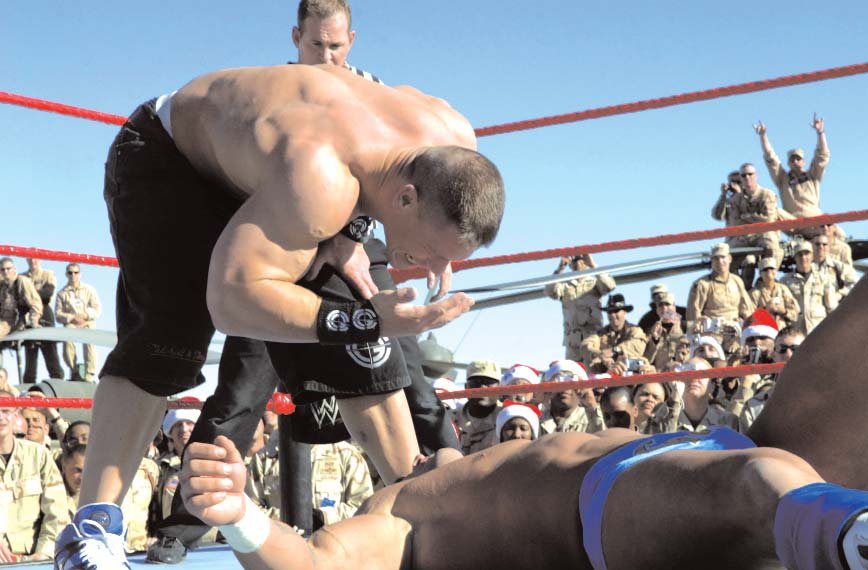
Photo: Army Spc. Christopher Admire /
Wikimedia Commons.
Public domain in the United States.
4. It Connected Cena’s Wrestling Identity to His Hip-Hop Identity
You Can’t See Me did not develop separately from Cena’s rapper persona.
It grew during the same period.
In May 2005, Cena released his debut hip-hop album You Can’t See Me through Columbia Records. WWE’s corporate announcement said the album contained 17 original tracks, with Cena working alongside Tha Trademarc.
The album later debuted at No. 15 on the Billboard 200, giving Cena’s hip-hop identity a life outside WWE television.
That makes the phrase much more than a random taunt.
It sits near the intersection of:
Doctor of Thuganomics.
Word Life.
The Time Is Now.
You Can’t See Me.
And eventually the championship version of Cena who carried pieces of that hip-hop presentation into the top of WWE.
That is why different Cena shirts can have completely different jobs even when they feature the same person.
A Never Give Up design points toward the motivational Cena.
A championship-heavy graphic can represent The Champ.
A Word Life design takes you deeper into the rapper persona.
But You Can’t See Me belongs in the crossover point where Cena’s trash talk, music and wrestling character became one visual identity.
If the mid-2000s Cena is the version you remember most clearly, that distinction matters more than simply picking whichever graphic has the biggest portrait.
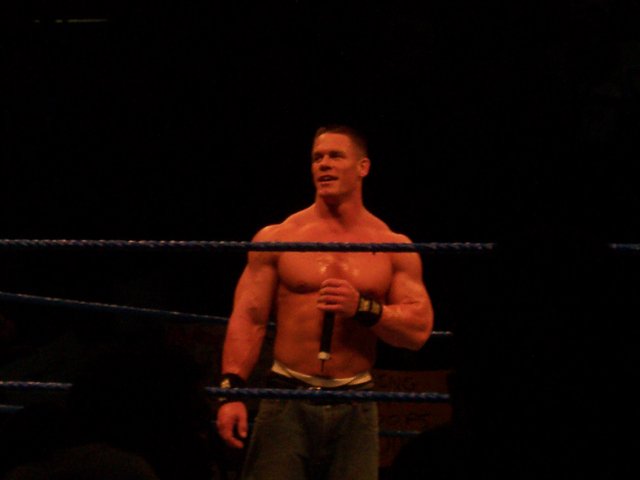
Photo: Krystal Bogner /
Wikimedia Commons,
CC BY 2.0.
5. Then the Internet Deliberately Got the Meaning Wrong
Here is where You Can’t See Me became much bigger than its original WWE meaning.
The internet took four words literally.
If Cena says:
You can’t see me.
Then obviously John Cena must be invisible.
That became the joke.
A photo clearly containing Cena gets comments asking why somebody posted an empty picture.
Someone poses next to Cena and people joke that they are standing alone.
An object appears to move near Cena and suddenly there must be an invisible man responsible.
Know Your Meme traces the online joke to people deliberately interpreting Cena’s catchphrase as literal invisibility rather than competitive trash talk.
Reddit shows how durable the joke has been.
Years after Cena stopped being a full-time WWE performer, users were still opening threads asking why everyone pretends John Cena is invisible—and other users were still explaining the same simple connection between the phrase and the meme.
That is important.
The meme does not require you to remember a particular Cena match.
You do not even need to watch wrestling.
Once somebody teaches you the rule—
John Cena = You Can’t See Me = John Cena is invisible
—you are in on the joke.
The phrase escaped the original story that created it.
That is usually what happens when a piece of wrestling language becomes genuine pop culture rather than staying inside wrestling fandom.
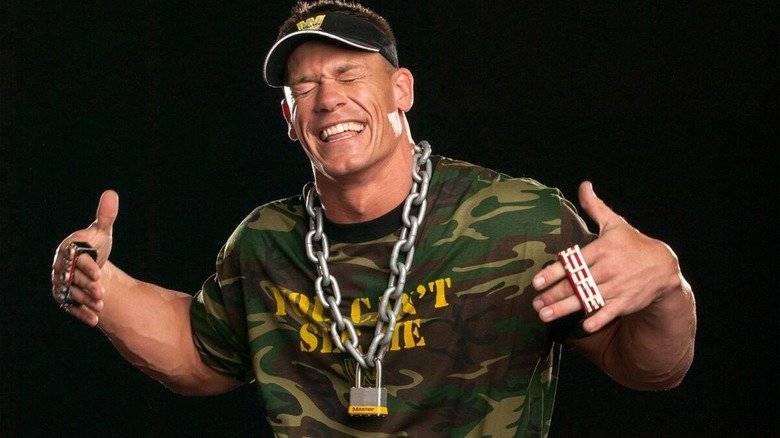
Image source:
Wrestling Inc.
6. Other Athletes Could Use the Gesture and People Still Knew What It Meant
You Can’t See Me also escaped WWE in another direction: competitive sports.
WWE has noted that athletes including LeBron James have used Cena’s gesture as a celebration.
A much more visible example arrived in women’s college basketball.
Caitlin Clark used Cena’s hand gesture during Iowa’s 2023 NCAA Tournament run. Angel Reese then directed the same gesture toward Clark near the end of LSU’s national championship victory over Iowa, helping spark a much larger national conversation about trash talk in women’s basketball.
ESPN continued referring to it specifically as the John Cena “You can’t see me” gesture when covering Clark and Reese afterward.
Think about what had to happen for that to work.
Cena was not wrestling.
There was no WWE ring.
There was no entrance music.
Nobody needed to put his name on the screen.
An athlete moved one hand in front of her face and millions of people understood the reference.
That is what a strong visual signature does.
It becomes transferable.
If you use the gesture yourself, the message can retain the same competitive flavor:
You cannot keep up with me.
But you also inherit the joke, the wrestling history and the Cena reference all at once.
Few wrestling gestures carry that much information in one movement.
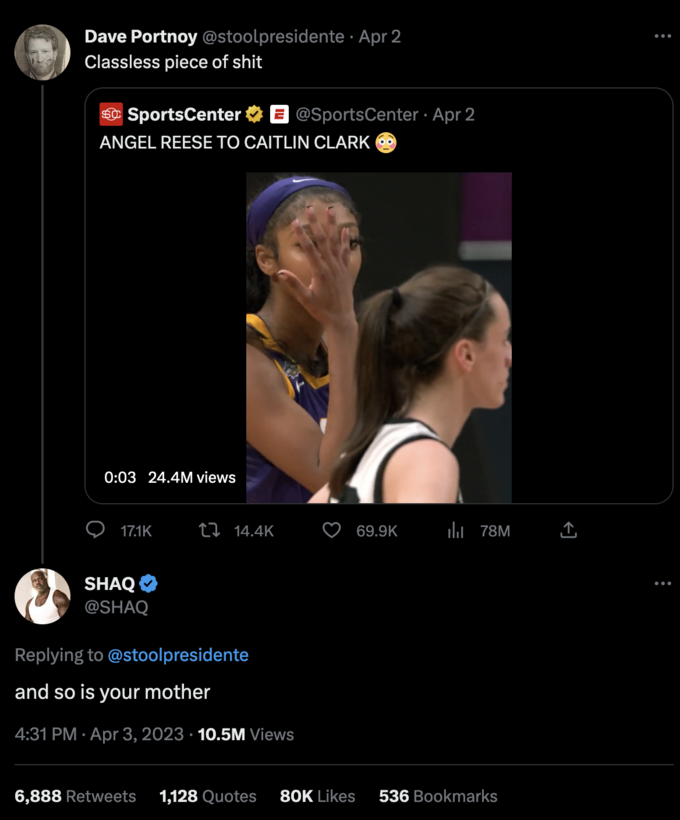
Image source:
Know Your Meme.
7. It Survived Because Even People Who Mock Cena Use It
Cena once called You Can’t See Me both a “gift and a curse.”
Fans used it.
His opponents used it against him.
People who liked Cena repeated it sincerely.
People who disliked Cena used the same gesture to mock him.
The internet turned it into a joke about invisibility.
And eventually WWE itself began participating in that joke.
This may be the strongest evidence that the phrase became part of his identity.
You do not need everyone to use your symbol in the way you intended for the symbol to be successful.
Sometimes recognition is stronger than approval.
Kevin Owens provided a particularly clear wrestling example. During his 2015 rivalry with Cena, Owens did not merely fight Cena—he took Cena’s own visual language and threw it back at him, performing You Can’t See Me and even the Five Knuckle Shuffle.
That is what happens when a taunt becomes bigger than the person using it.
Fans spent years debating Cena.
Some cheered.
Some booed.
Some thought the invisible joke was still funny.
Others were openly tired of seeing it repeated.
Yet all of those people understood the reference.
That is the strange victory of You Can’t See Me.
Even the joke about not seeing Cena makes Cena immediately visible in your mind.
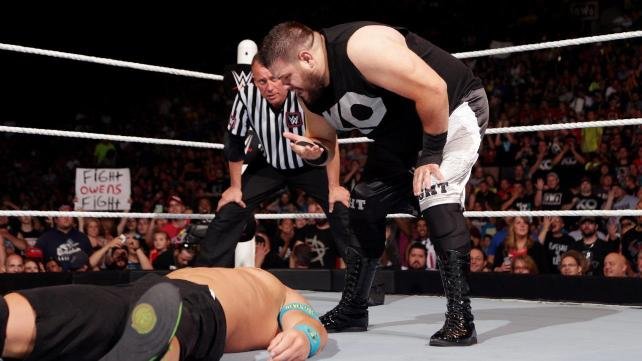
Image:
WWE.
Why “You Can’t See Me” Still Feels Like John Cena
Plenty of wrestlers have catchphrases.
Far fewer have a phrase that works simultaneously as:
- trash talk,
- a physical gesture,
- an in-ring taunt,
- an album title,
- part of a broader music-era identity,
- a sports celebration,
- an internet meme,
- and a visual shorthand for the wrestler himself.
That is why You Can’t See Me lasted.
It also explains why its meaning depends on how you came to Cena.
If you remember the Doctor of Thuganomics, you may hear rapper-era swagger.
If you remember Cena at the top of WWE, you may see the hand wave before the Five Knuckle Shuffle.
If you discovered him through memes, you may immediately make the invisible joke.
If you saw Caitlin Clark or Angel Reese use the gesture before you watched Cena wrestle, you may know the symbol before you know its origin.
All of those roads lead back to the same four words.
And that makes You Can’t See Me different from a slogan that survives only because fans are nostalgic.
It keeps finding new contexts.
How to Wear John Cena’s You Can’t See Me Style
If You Can’t See Me is the Cena you remember—the hand gesture, the competitive swagger and the period when his wrestling and hip-hop identities overlapped—start with a design that makes those cues visible.
You do not need to recreate Cena’s full mid-2000s entrance outfit.
You need the part another fan can recognize.
CombatWear’s current WWE John Cena Shirt is the broadest option for that job. The collage combines multiple Cena references with the You Can’t See Me wording, giving the graphic a stronger early-career identity than a simple portrait tee.
The live listing currently shows a $15.78 listed price, four garment colors—black, white, sand and military green—and sizes S through 5XL. It is listed as a fitted short-sleeve crew-neck T-shirt made from 100% cotton, with fiber content potentially varying by color.
But those specifications should confirm the choice rather than make it for you.
Choose this design over a Word Life shirt when You Can’t See Me is the phrase you want another fan to recognize first.
Choose Word Life instead when the Doctor of Thuganomics persona and Cena finding his own voice are the real attraction.
Choose a Never Give Up or Legacy design when the later values behind Cena mean more to you than the swagger of his early-to-mid-2000s character.
And if You Can’t See Me is your choice, keep the rest of the outfit simple. Denim, cargos and straightforward sneakers let the collage carry the reference without making you look like you are trying to reproduce a 2005 entrance costume.
You are not wearing four words because they promise that nobody can literally see you.
You are wearing the Cena identity behind them:
the gesture, the confidence and the belief that the person across from you is going to have to catch up.